 Learning
 Credentialing
 Compliance


Anywhere there are complex financial systems at work, there’s a potential for abuse of those systems. In healthcare especially, fraud is something responsible providers need to be on the lookout for. It’s why many organizations choose to work with a Certified Fraud Examiner as part of their ongoing efforts to remain responsible and compliant with financial best practices.
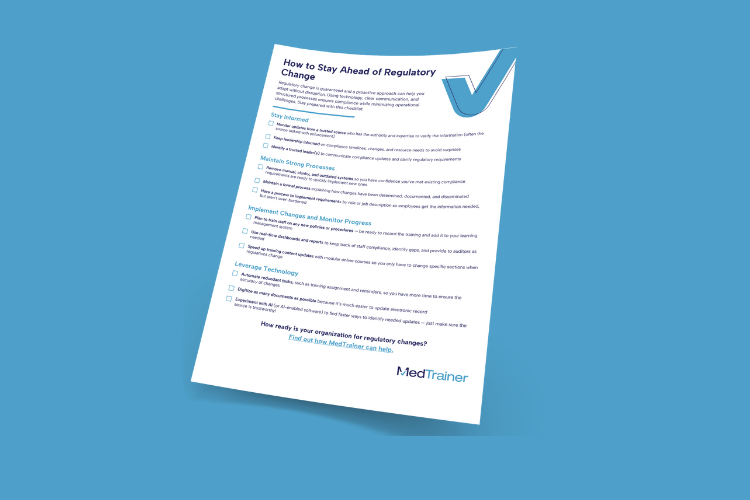
Stay ahead of regulatory change and minimize disruptions with these tips.
What Is a CFE?
First, let’s look at a certified fraud examiner definition.
A certified fraud examiner (CFE) is a professional who specializes in detecting, investigating, and preventing fraud within the healthcare industry. CFEs are the experts in identifying fraudulent activities — including billing schemes, kickbacks, insurance fraud, and embezzlement — that may occur in healthcare organizations. The primary goal of a Certified Fraud Examiner in healthcare is to safeguard healthcare systems and protect patients, insurance providers, and government programs from financial losses due to any fraudulent activities.
CFEs are knowledgeable in accounting principles, legal regulations, and investigative techniques to uncover fraudulent practices. They conduct thorough examinations of financial records, interview individuals involved, analyze financial data, and gather evidence to build cases against potential perpetrators.
What Is the Difference Between a CFE and a Healthcare Fraud Investigator?
Many compliance professionals may be choosing between earning a CFE designation and becoming a healthcare fraud investigator. Both fraud certifications are valuable and will set you apart in the industry – the decision on which certification to pursue depends on your current role and career goals.
A Certified Fraud Examiner (CFE) is a professional designation and fraud certification granted by the Association of Certified Fraud Examiners (ACFE). Requirements to earn a CFE include accumulating eligibility points (based on your education and fraud-related work experience), passing the CFE exam, and agreeing to the Code of Professional Ethics.
An Accredited Health Care Fraud Investigator (AHFI) is a professional designation granted by the National Health Care Anti-Fraud Association (NHCAA) to individuals who have demonstrated knowledge in the detection, investigation, and/or prosecution of healthcare fraud. Requirements to earn the AFHI designation include NHCAA membership, minimum professional experience, continuing education credits, and passing of an exam. The AFHI costs are higher than those to complete the CFE exam. Renewal is required every three years. Earning the AFHI designation is about twice the cost of the CFE designation.
What are the Benefits of a Certified Fraud Examiner in Healthcare Compliance?
Now that we’ve defined a CFE, let’s focus on the benefits. Working with a certified fraud examiner gives providers access to specialized skills and resources for effectively managing fraud risks. They can also help strengthen healthcare compliance programs and protect against financial losses due to fraudulent activities.
Here’s a look at some of the chief benefits of incorporating a CFE into your compliance efforts:
- Expertise in Fraud Detection. CFEs possess specialized skills in identifying and detecting fraudulent activities. Their understanding of common fraud indicators, investigative techniques, and data analysis enables them to recognize and address critical compliance risks.
- Proactive Fraud Prevention. By identifying possible fraudulent activities, CFEs can proactively prevent them from occurring! By conducting thorough assessments of internal controls and procedures, they can identify vulnerabilities and recommend preventive measures to mitigate fraud risks.
- Effective Investigations. In the event of suspected fraud, certified fraud examiners have the expertise to conduct comprehensive investigations. They’re trained in gathering evidence and analyzing financial records for a thorough case.
- Compliance Program Enhancement. These experts can contribute to the development and improvement of healthcare compliance programs. A CFE’s knowledge of fraud risks and regulatory requirements, especially when backed by a trusted and top-rated LMS like MedTrainer’s, allows them to provide valuable insights and recommendations to enhance internal controls, policies, and training programs.
- Collaborate with Leadership. CFEs collaborate with various stakeholders — including compliance officers, legal teams, auditors, and law enforcement agencies — to address fraud and compliance-related issues.
- Protect Reputation and Financial Integrity. By actively working to detect and prevent fraud, CFEs help safeguard the reputation and financial integrity of healthcare organizations. Their efforts protect patients, insurance providers, and government programs from financial losses. And even more importantly, certified fraud examiners maintain the trust and confidence of patients.
Above all, a CFE gives providers, patients, payers, and government agencies the peace of mind that everything is on the level and above board. Working with a CFE sends a clear message: “fraud has no place in our organization.”
What are the Common Types of Healthcare Fraud?
Fraud is a straightforward concept that, unfortunately, can manifest in many ways within a healthcare organization. From sophisticated Medicare fraud to a rising prevalence of telehealth fraud, healthcare organizations need to be able to understand and recognize these threats.
Here’s a look at some of the common types of healthcare fraud and how they come to be:
- Double-billing: Submitting multiple claims for the same service.
- Unbundling: Submitting multiple bills for the same service.
- Phantom billing: Billing for a service or supplies the patient never received.
- Upcoding: Billing for a more expensive service than the patient received.
Keep in mind that these are just examples of provider fraud! The scope of potential healthcare fraud is vast and can span patients, third-party service providers, and general bad actors out to abuse the system.
Thankfully, for as diverse as healthcare fraud can be, CFEs are equally adept at identifying it in whatever form it takes.
Laws Governing Healthcare Fraud
When it comes to identifying healthcare fraud, no one is more knowledgeable than certified fraud examiners in understanding specifically what laws a provider (or other entity) might’ve violated. Typically, that means looking at the five main federal laws governing healthcare fraud:
- False Claims Act (FCA). The FCA prohibits submitting false or fraudulent claims for payment to government healthcare programs, such as Medicare and Medicaid.
- Anti-Kickback Statute (AKS). The AKS prohibits the exchange of remuneration in return for patient referrals or the generation of healthcare business reimbursed by federal healthcare programs.
- Physician Self-Referral Law (Stark Law). The Stark Law prohibits physicians from referring Medicare or Medicaid patients to entities with which they have financial relationships, unless specific exceptions are met.
- Health Insurance Portability and Accountability Act (HIPAA). While most often associated with patient privacy and data security, HIPAA includes provisions related to healthcare fraud and abuse.
- Controlled Substances Act (CSA). The CSA regulates the manufacturing, distribution, and dispensing of controlled substances, including prescription medications.
In addition, the Federal False Statements Act (18 U.S.C. § 1001) makes it illegal to knowingly make false statements, including false statements related to healthcare matters. The Affordable Care Act (ACA) also established the Health Care Fraud Prevention and Enforcement Action Team (HEAT) and increased resources for fraud investigations and prosecutions.
It’s also important to note that healthcare fraud may also be subject to state laws, as well as regulations from agencies such as the Centers for Medicare and Medicaid Services (CMS) and the Office of Inspector General (OIG). Here again, a CFE is an invaluable resource for understanding the nuances and specifics of each law in the context of fraudulent activities.
Reducing Healthcare Fraud Through an Expansive Learning Management System
Accountability and transparency are essential, and a top-rated healthcare training software can help CFEs reduce fraud in their healthcare organizations.
Using a learning management system, you can streamline the delivery of training so employees are aware of fraud regulations and strategies to remain in compliance. Known for delivering the best approach to digital training and in healthcare, MedTrainer offers many fraud-related courses that meet state and federal regulations. From a compliance professional’s standpoint, the ease of assigning courses, tracking completion, and delivering certificates can’t be beat, and it’s why MedTrainer is often regarded as a go-to choice.
Using a full-cycle policy management system simplifies the delivery and accessibility of fraud-related policies and your organization’s code of conduct.
Learn how MedTrainer can help you streamline fraud prevention.

See how MedTrainer can streamline your compliance.